Greening the High Grid: Building 500GW Transmission Corridors in the Thar
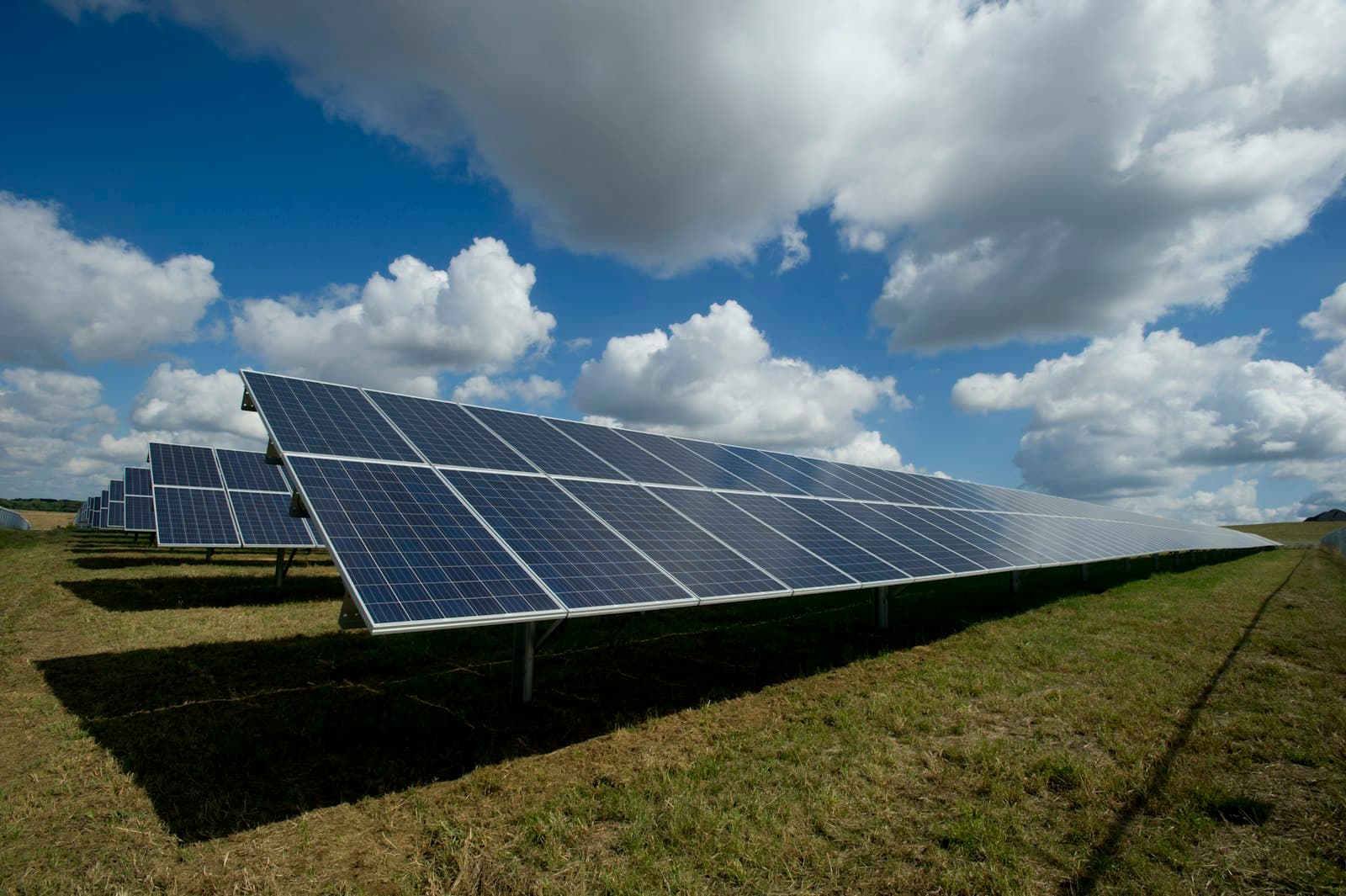
Field evaluation of high-voltage direct current lines connecting western solar clusters to the Northern regional grid amid sand displacement challenges.
Documentary investigations, policy debates, field dispatches, and in-depth discussions recorded from the bureau’s studios and field correspondents across South Asia.
A joint investigative dispatch by Nikhil Sen and the Bureau Maritime Security Desk aboard the INS Tarkash, analyzing naval sensor telemetry, deep-sea dredging timelines, and the strategic repositioning of Indian Eastern Fleet carrier battle groups across the Ten Degree Channel.

Field evaluation of high-voltage direct current lines connecting western solar clusters to the Northern regional grid amid sand displacement challenges.

Exclusive access inside the class-100 cleanrooms as process engineers run initial pilot batches through ultra-pure chemical etching cycles.

Cross-party scrutiny on auction transparency mechanisms, royalty allocations to tribal district mineral funds, and offshore seabed leasing terms.

Evaluating groundwater recovery data across 14 central districts where farmers adopted non-puddled direct seed drills in the kharif cycle.

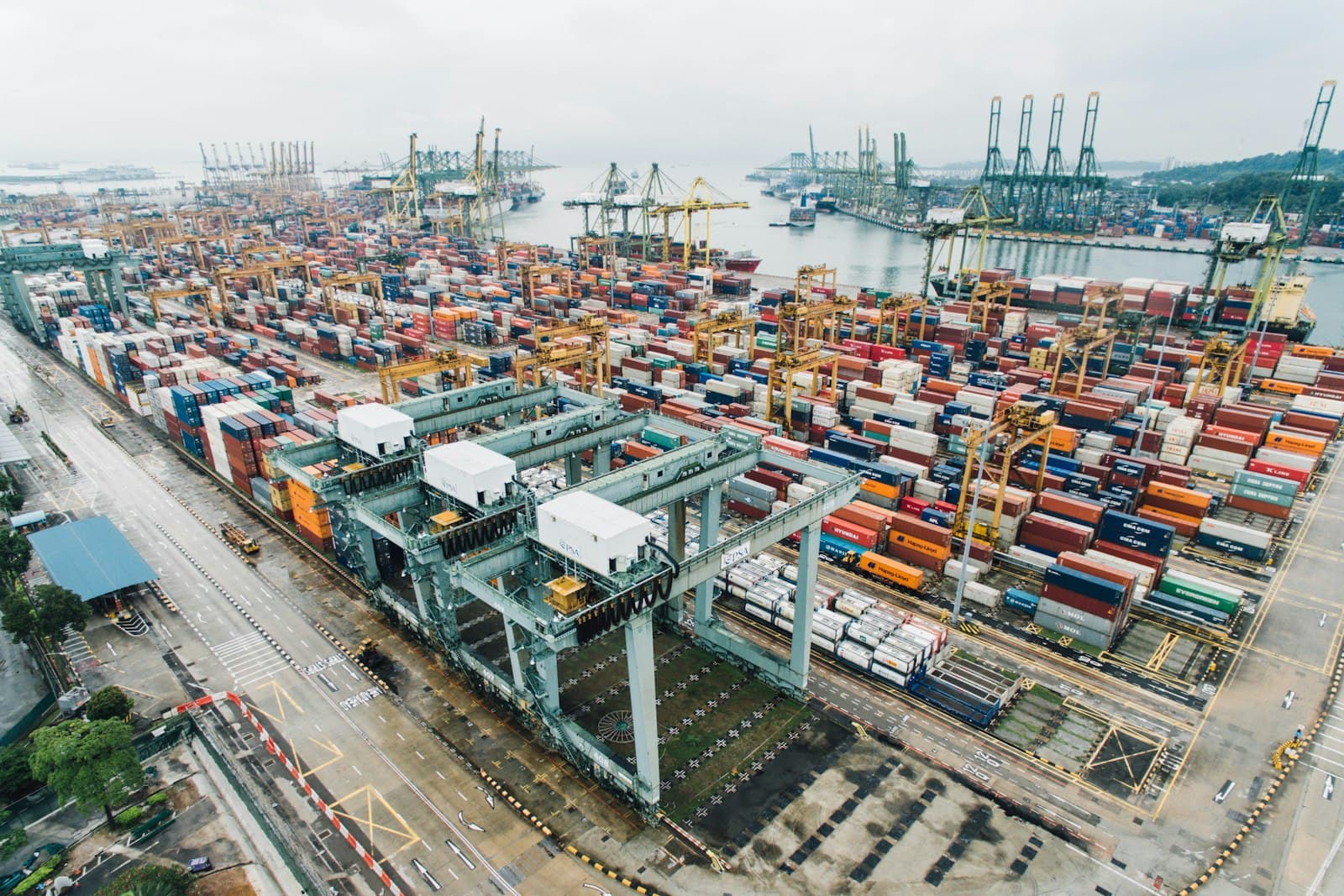
A documentary on deep-water navigation deepening to accommodate 20,000 TEU mainline container vessels bypassing transshipment hubs.

How underground boring methodologies aim to protect ancient hydrology zones while meeting modern high-capacity logistics schedules.

An 18-month forensic review examining water-table ingress, seismological borehole test registries, and acoustic buffering designed to insulate endemic amphibian clusters along the Khandala escarpment.
We stand here at Portal 4 above the Karjat gradient. Before drilling commenced, geological teams identified an aquifer channel thirty meters below the proposed ballast line…
The basalt layer in the Deccan traps is notoriously fracture-prone. Without cryogenic grout injection, water infiltration would have depleted three surface springs feeding the river basin.
Here is the seismic sensor bank calibrated to 0.02mm/s vibration thresholds to prevent structural reverberation into the evergreen canopy.
Every extra kilometer of acoustic insulation increased the capital expenditure by approximately 42 crore rupees, yet protected the UNESCO wildlife buffer zone.
Direct notifications when major documentary investigations break, paired with curated transcripts, deep data charts, and bureau reading lists every Friday evening.