14:15 ISTMoney Markets
RBI Liquidity Absorption
Overnight Variable Rate Reverse Repo (VRRR) absorbs ₹32,000 crore as systemic cash overhang keeps overnight call money near 6.45%.
The national record of sovereign balance sheets, market liquidity, enterprise restructuring, and fiscal policy.
Tick-by-tick regulatory interventions, debt auctions, and executive board decrees curated by Mumbai correspondents.
Overnight Variable Rate Reverse Repo (VRRR) absorbs ₹32,000 crore as systemic cash overhang keeps overnight call money near 6.45%.
Market watchdog mandates higher extreme loss margins on index contracts, curbing retail leverage ahead of expiry days.
H1 fiscal figures reflect robust corporate advance receipts, cushioning the exchequer against subsidies slippage.
Double-digit expansion in cement shipments and coal generation counteracts sequential contractions in refinery crude throughput.
Rigorous examination of scheduled commercial bank balance sheets, asset quality metrics, corporate capex revival, and systemic liquidity buffers ahead of the quarterly MPC review.
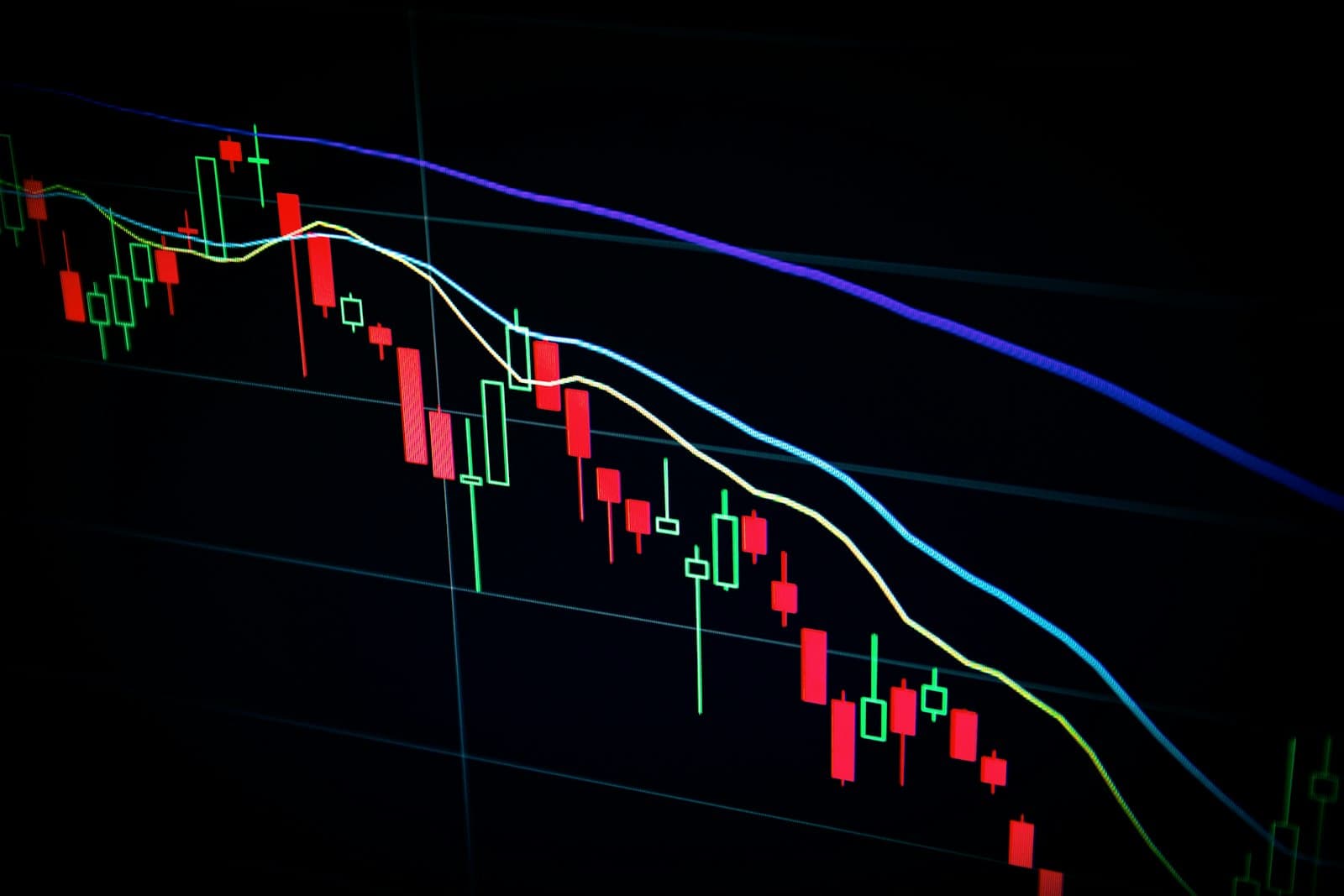
After nearly a decade of aggressive balance sheet decontamination and mega-mergers among state-owned lenders, India's public sector banking system is demonstrating unprecedented institutional solvency. According to granular filings examined by The Oceaniek News Bureau, systemic Tier-1 capital ratios have expanded to their highest threshold in twenty-four years, affording domestic banks an unprecedented buffer against global macroeconomic turbulence.
Crucially, this balance sheet fortressing does not arrive at the expense of capital transmission. Non-food bank credit registered an annualized growth rate of 14.2%, underpinned by long-delayed corporate capital expenditure in core sectors—most notably infrastructure, chemicals, renewable energy complexes, and commercial logistics.
"The corporate sector's leverage ratio is now healthier than at any point since the 2008 North Atlantic credit crunch," notes Dr. K. Radhakrishnan, member of the Technical Advisory Committee. "What remains to be scrutinized is whether the deposit growth rate—hovering around 11.8%—can sustain this credit momentum without forcing banks to compete destructively for bulk deposits."
Target for FY26 calibrated at 4.9% of GDP. Centre completes 52% of its ₹14.01 lakh crore gross market borrowing program in H1 with negligible yields dislocation.
Monsoon recovery accelerates rural sales volume by 6.4%, outpacing tier-1 urban volume compression caused by elevated food price indexes.
Secondary sales in growth-stage tech firms top $4.2B as international GPs rebalance Indian portfolios toward public listing exits via domestic bourses.
 Auto & EV
Domestic OEMs achieve 68% domestic value addition in cell-to-pack integration to qualify for multi-billion rupee incentive tranches.
 Pharma & Health
Zero Form 483 observations at Hyderabad facility unlocks commercial shipments of complex oncology injectables to North American markets.
 Telecom & Digital
Leading operators pitch private network slices to port trusts and steel conglomerates, seeking higher margins beyond retail subscriber tariffs.
 Power & Grid
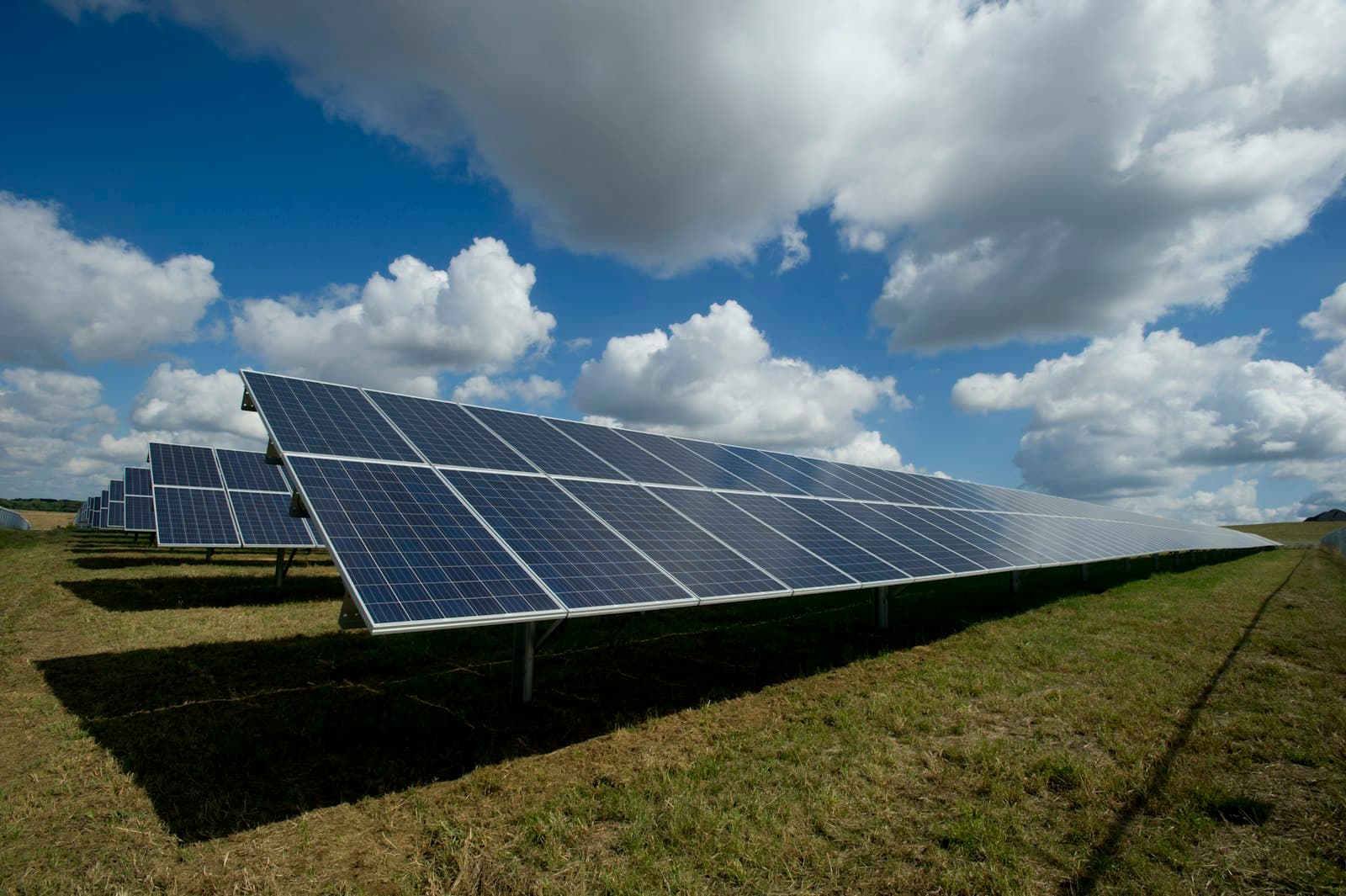
Transmission capacity shortages constrain 4.2 GW of commissioned renewable energy capacity, prompting urgency from the Central Electricity Authority.

“Subsidising assembly lines without cultivating domestic tier-1 component engineering risks locking the Indian economy into an arbitrage trap where scale exists without defensible intellectual sovereignty.”

“As European carbon border adjustment mechanisms penalise blast-furnace steel, India's transition to green hydrogen DRI is no longer an ecological virtue—it is an existential trade imperative.”

“Litigation bottlenecks at the National Company Law Appellate Tribunal continue to erode recovery values. The IBC regime urgently needs statutory resolution dead-stops to prevent systemic value decay.”
Essential pre-market macro intelligence, regulatory circular breakdowns, institutional order book movements, and commodity matrices delivered before the Bombay Stock Exchange bell rings.